Inspect
Confirm access, diameter, bends and structural condition.
Repair a qualifying damaged sewer pipe from the inside with CIPP lining. We inspect the line first and explain what can be repaired with less digging.
The damaged host pipe is inspected and cleaned. A resin-saturated liner is positioned against the interior wall, cured and then inspected again. The finished liner creates a smooth, continuous flow surface without replacing every foot through an open trench.
Confirm access, diameter, bends and structural condition.
Remove scale, roots and buildup that could affect the liner.
Install the liner and cure it using the selected system.
Review post-installation footage and explain the completed work.
A pipe must retain suitable continuity for the selected lining method.
Access, reinstatements and building conditions shape the project scope.
Use the least disruptive method that safely fits the documented condition.
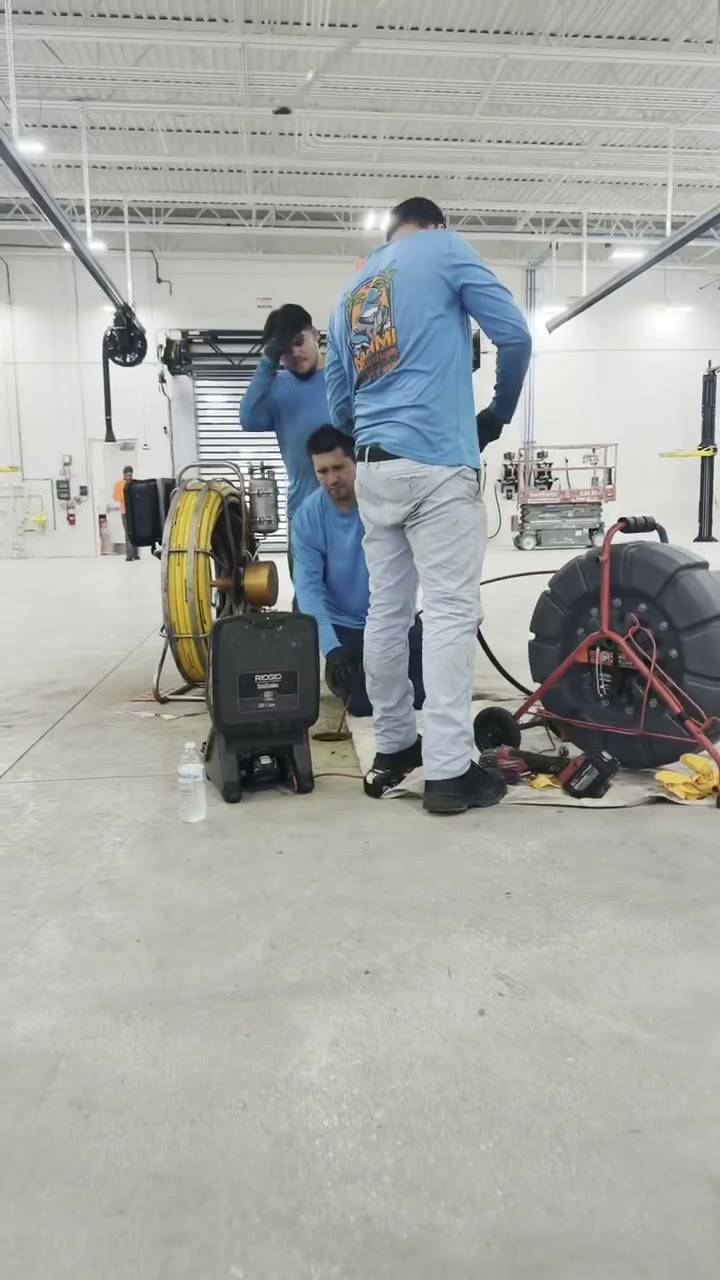
Watch our team handling camera equipment, preparing the liner and working at the pipe access point. This short field edit gives you a closer look at CIPP preparation and pipe footage.
A repair recommendation still depends on your pipe’s condition and access. We do not assume that every clogged or broken line needs lining.
No. Camera footage, pipe condition, access, diameter and structural continuity determine whether CIPP lining is appropriate. Collapsed or badly offset sections may require excavation.
For qualifying pipes, a liner can be installed through suitable access points and reduce the amount of excavation compared with traditional replacement.
Request the camera-first review. The team will contact you to discuss symptoms, access and scheduling.